-
Rubber Coir Combination Mat 120 x 45 cm
Regular price $50.00 NZDRegular priceUnit price per -
Braided Coir Rope Mat
Regular price $40.00 NZDRegular priceUnit price per -
 Sold out
Luxury Loop Weave Doormat
Regular price $30.00 NZDRegular priceUnit price per -
Anti Fatigue Rubber Floor Mat
Regular price $65.00 NZDRegular priceUnit price per -
 Sold out
Workstation Rubber Mat
Regular price $55.00 NZDRegular priceUnit price per
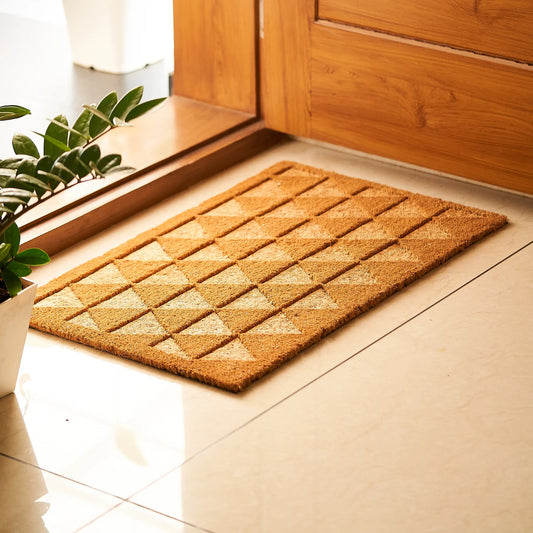

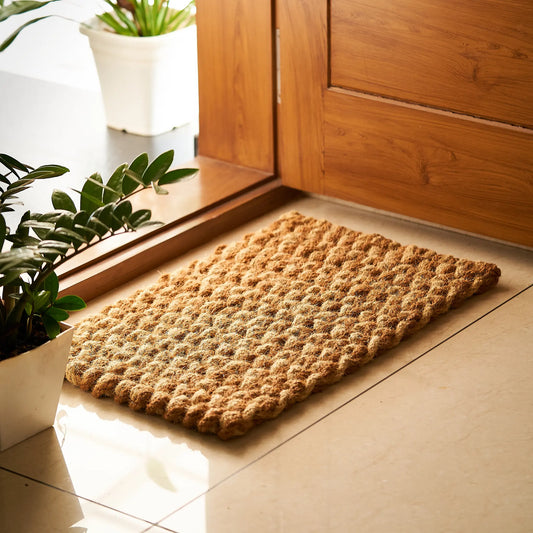


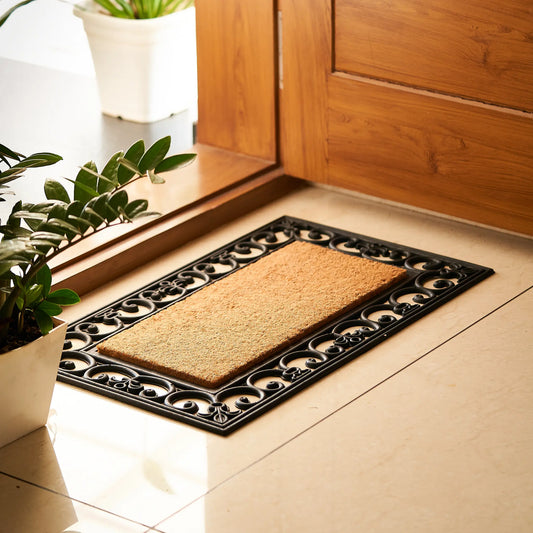

Dormatt offers high quality kitchen rugs in NZ, designed specifically for addressing challenges related to kitchen such as moisture from frequent rain, muddy footprints tracking in from outdoors, long cooking sessions, and varied flooring types from timber to tile. Quality kitchen mats address all these issues while complementing home aesthetics.
Whether setting up a new kitchen, refreshing existing space, or looking for home decor ideas that combine beauty with practicality, understanding kitchen rug options helps make informed decisions. From natural coir mats perfect for back door entrances to cushioned anti-fatigue mats for standing comfort, choices suit every New Zealand home's needs and style.
Why Kitchen Rugs for NZ Homes Are Essential?
Kiwi kitchens work hard. They're not just cooking spaces—they're family gathering spots, homework stations, coffee corners, and entertaining hubs. This heavy use creates specific requirements that quality kitchen rugs NZ address brilliantly.
Dormatt provides the best kitchen rugs in NZ that is specifically designed for reducing fatigue and resisting dirt.
Slip Resistance
Kitchen floors get wet. Spilled water, splashed dishwater, tracked-in rain—moisture is constant challenge. Wet tiles or smooth timber become seriously slippery. Dangerous, actually. Kitchen mats with proper non-slip backing prevent accidents before they happen.
Rubber backing is common solution. Grips smooth surfaces firmly. PVC backing works similarly. Some premium mats use specialized latex backing that's even more effective. Point is having mat that stays put when stepped on, even with wet feet or shoes.
Buy Kitchen Rugs in NZ Now!
Anti-Fatigue and Ergonomic Support
Standing at sink washing dishes for 20 minutes? Feet start hurting. Prepping dinner for an hour at counter? Back gets sore. Knees complain. This is real issue in active kitchens.
Anti-fatigue mats change this completely. Cushioned surface reduces strain on joints, back, and feet during extended standing. Makes huge difference for anyone spending significant time at kitchen tasks. Particularly important for older household members or anyone with joint issues.
Hygiene and Floor Protection
Dropped food. Spilled liquids. Grease splatters. Muddy footprints from garden. Kitchen floors cop a beating. Quality mats create protective barrier that's easily cleaned—much simpler than scrubbing entire floor repeatedly.
Floor protection matters especially with expensive materials. Timber floors can water-damage from spills. Tiles can stain from certain substances. Vinyl can scratch. Mat takes the impact instead, extending floor life significantly.
Compliance with Regulations
Commercial kitchens in New Zealand must meet WorkSafe regulations regarding slip prevention. While home kitchens aren't legally required to follow same standards, the principles make sense. Anti-slip mats reduce injury risk—matters whether it's workplace or home.
Improved Workflow
Seems minor until experienced. Having mat that defines work zones helps kitchen function better. Mat at sink establishes dish area. Mat at stove marks cooking zone. Creates natural organization that streamlines meal preparation.
Keeps Homes Clean and Safe
Coir Doormat in New Zealand placement at back kitchen door stops mud and dirt at entry. Prevents tracking mess through entire house. Same principle applies to kitchen entry points—mat catches debris before it spreads.
Anti-slip benefits extend beyond preventing falls. They prevent that heart-stopping slide when stepping on wet floor. Peace of mind knowing floor is safer, especially with kids or elderly family around.
Types of Kitchen Mats
Different mats suit different purposes and locations. Understanding options helps choose right solution for specific needs.
Coir Outdoor Mats
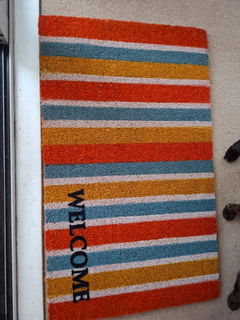
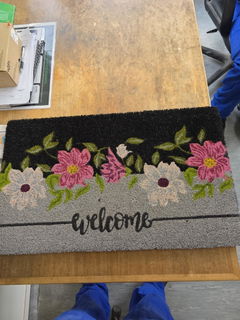
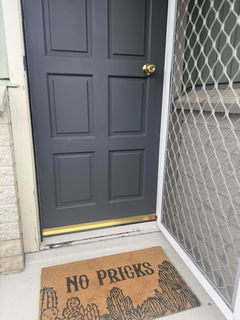
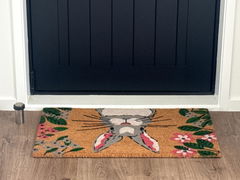
Natural coconut fiber mats excel at entrances. Doormats in New Zealand conditions need to handle moisture, mud, and heavy traffic. Coir does all this brilliantly.
Stiff bristle-like texture scrapes dirt from footwear effectively. Traps debris within fibers instead of letting it track through. Weather-resistant—handles rain without deteriorating. Sustainable material appeals to eco-conscious Kiwis.
Best placement: back door leading to kitchen, especially if accessing garden frequently. Side entrance near kitchen. Anywhere muddy shoes enter home.
Rubber Outdoor Mats
Rubber Mats suppliers provide offer different benefits than coir. Completely waterproof. Easy to hose clean. Exceptional durability even with extremely heavy use.
Textured surface provides grip even when wet. Drainage holes or patterns prevent water pooling. Some designed specifically for New Zealand conditions—handling moisture without growing mold or mildew.
Best placement: very muddy entries, areas with frequent washing (like beside laundry access), spots needing frequent hosing clean.
PVC / Synthetic Mats
Budget-friendly option that still performs well. Lightweight. Easy to move for cleaning underneath. Many are machine washable—huge convenience factor.
Available in countless colors and patterns. Can match any kitchen decor scheme. Stain-resistant properties handle kitchen spills well. Not as durable as rubber or coir but adequate for light to moderate use.
Best placement: in front of sink for splash protection, under dish drying racks, areas wanting washable convenience.
Heavy-Duty Commercial Mats
Built for punishment. Hospitality-grade mats handle constant traffic and abuse. If kitchen sees extremely heavy use—large family, frequent entertaining, home-based food business—commercial-grade makes sense.
Thicker construction. Superior materials. Often modular—can link multiple mats to cover larger areas. More expensive but longevity justifies cost in demanding situations.
Eco-Friendly / Sustainable Mats
Growing category in environmentally conscious New Zealand. Made from recycled materials, natural fibers, or sustainably sourced components. Rope Mats using natural rope fibers provide sustainable option with casual aesthetic.
Performance matches synthetic equivalents increasingly. Appeals to buyers prioritizing environmental impact alongside functionality.
Key Features to Highlight
Understanding what makes quality kitchen mat helps identify good options versus disappointing purchases.
Safety Features
- Non-Slip Backing: Crucial feature. Often rubber or latex that grips floor firmly on smooth surfaces preventing slipping. Without this, mat itself becomes hazard.
- Beveled Edges: Mats with tapered edges prevent tripping. Flat mat with abrupt edge catches feet or wheels (wheelchairs, carts, vacuum cleaners). Beveled edge allows smooth transition onto mat.
- Drainage Systems: Commercial settings often use mats with holes or channels allowing liquids, grease, food debris to pass through. Keeps surface dry and safe. Particularly important near sinks or food prep areas.
- Textured Surface: Provides extra grip for feet even when mat surface is wet or oily. Various textures available from subtle to quite aggressive depending on needs.
Comfort and Ergonomics
- Anti-Fatigue Cushioning: Designed specifically to reduce strain during prolonged standing. Made from high-density closed-cell foam, gel-infused layers, or resilient rubber. Reduces joint, back, foot discomfort significantly.
- Material Construction: High-quality mats use materials providing both comfort and durability. Closed-cell foam resists compression better than open-cell. Gel-infused provides superior cushioning. Resilient rubber combines durability with comfort.
- Thickness: Generally thicker means better cushioning. Mats around 1.5cm or more provide superior comfort. However, must balance with door clearance and trip hazards. Too thick can interfere with cabinet doors or create stumbling risk.
Durability and Maintenance
- Waterproof/Water-Resistant Surface: Prevents liquids seeping through to floor below. Protects wood or laminate from water damage. Essential feature for kitchen use.
- Easy to Clean: Materials that wipe down with damp cloth or wash in machine make maintenance simple. Kitchen mats get dirty—cleaning ease matters enormously.
- Grease/Chemical Resistance: Quality mats, particularly rubber, resist degradation from animal fats, oils, cleaning chemicals. Cheaper mats deteriorate when exposed to kitchen substances.
- Antimicrobial Treatment: Some mats include treatments guarding against odors, mold, mildew. Particularly valuable in New Zealand's humid regions where moisture encourages bacterial growth.
Design and Functionality
Low-Profile Design: Ensures mat doesn't obstruct cabinet doors or drawers. Nothing worse than mat preventing kitchen cabinets from opening properly.
Versatile Shapes/Sizes: Available as runners for long kitchens, small mats for sink areas, interlocking tiles customizable to any space. Matching mat to exact space requirements improves both function and appearance.
Aesthetic Appeal: Modern mats come in colors and patterns adding style and complementing kitchen décor. Can coordinate with Home Decor Ideas throughout home for cohesive look.
For comprehensive floor mat options including kitchen solutions, Early Settler's floor rugs collection offers variety worth exploring.
Benefits of Using Kitchen Mats
Understanding specific advantages helps appreciate why quality mats are worthwhile investment rather than optional luxury.
Superior Cleaning Power (Scraping and Dirt Retention)
- Tough Scrubbing: Coir's stiff bristle-like texture ideal for scraping dirt, mud, debris off footwear or bare feet before entering kitchen. Much more effective than smooth surface mats.
- Traps Messes: Coir fibers trap dust, dirt, small stones deep within pile. Prevents them spreading across kitchen floor. Particularly effective at removing mud—common issue in New Zealand's wetter regions.
- Ideal for Garden Entrances: Coarseness makes them perfect for back doors leading into kitchen. Removes garden dirt, grass clippings, outdoor debris before tracking through house.
High Durability and Resilience
- Long-Lasting: Coir fibers naturally tough and resistant to high traffic. Withstand heavy daily use without significant wear. Quality coir mats last years with proper care.
- Resistant to Compression: Unlike synthetic mats that flatten over time, coir resists compaction. Maintains shape and effectiveness. Continues performing even after extended use.
- Weather Resistant: Coir withstands moisture, fungus, mold. Suitable for both indoor and semi-sheltered outdoor use. New Zealand's damp conditions don't deteriorate quality coir quickly.
Eco-Friendly and Sustainable
- Natural Material: Coir made from coconut husks—byproduct of coconut industry. Renewable, organic, sustainable choice. Appeals to environmentally conscious New Zealand buyers.
- Biodegradable: End of life, pure coir mat is biodegradable. Can be composted unlike synthetic plastic-based mats. Significantly better environmental impact.
Safety and Hygiene
- Non-Slip Properties: Many coir mats come with sturdy PVC or rubber backing ensuring they stay securely in place. Crucial for reducing fall hazards on slippery kitchen floors.
- Hypoallergenic: Material is hypoallergenic. Unlikely to trigger allergies or asthma symptoms. Important consideration for households with sensitivities.
- Resistant to Microbial Growth: Coir naturally resistant to mold, mildew, bacteria. Doesn't harbor unpleasant organisms the way some materials do. Healthier choice for kitchen environment.
Aesthetic and Practicality
- Warmth and Style: Coir adds rustic, natural, warm aesthetic to kitchen. Fits well with various home decors—from contemporary to country farmhouse styles.
- Easy to Maintain: Require low maintenance. Regular shaking or vacuuming usually sufficient to remove dirt. Occasional brush cleaning handles deeper grime.
- Customizable: Coir can be cut to fit various spaces. Awkward corners, pantry entrances—can customize size to match needs.
Important Considerations
- Shedding: New coir mats may shed loose fibers initially. Requires sweeping but decreases over time. Normal characteristic diminishing with use.
- Comfort: Designed for coarseness and effectiveness rather than softness underfoot. May not be comfortable for prolonged standing. Different purpose—choose based on need.
Size & Shape Guide
Selecting correct size ensures mat performs optimally.
Standard Sizes: Small (40x60cm) for sink areas. Medium (50x80cm to 60x90cm) for standard work zones. Large (80x120cm to 90x150cm) for extensive prep areas.
Large Kitchen Mats: Expansive kitchens need larger options extending to 100x200cm or more. Runners work for galley-style kitchens.
Shapes: Rectangular most common and versatile. Semi-circle designed for curved sink counters. Square works for islands or compact kitchens. Choose shape matching actual layout.
Eco-Friendly & Sustainable Options
Environmental consciousness matters increasingly to New Zealand buyers. Kitchen mat choices reflect these values.
Natural Coir Mats
Premium sustainable option. Coconut husks are agricultural byproduct. Using them creates value from waste. Renewable resource—coconuts keep growing. Biodegradable end-of-life. Supporting coconut industry benefits developing economies where coconuts grow.
Recycled Material Mats
Some manufacturers create mats from recycled plastics, reclaimed rubber, post-consumer materials. Reduces waste while creating functional products. Performance has improved dramatically—these aren't inferior compromise products anymore.
Sustainability Benefits
Lower carbon footprint compared to petroleum-based synthetic mats. Supporting sustainable manufacturing practices. Choosing products that don't persist in landfills for centuries. Appeals strongly to eco-conscious NZ buyers.
Ideal for Eco-Conscious NZ Buyers
New Zealand's clean green image aligns with sustainable purchasing choices. Kitchen mats might seem minor consideration, but every choice contributes to environmental impact. Selecting natural or recycled options demonstrates commitment to sustainability in practical, everyday ways.
How to Choose the Right Kitchen Mat
Multiple factors influence which mat works best.
- Based on Weather Exposure: Sheltered indoor allows more options. Semi-exposed needs weather resistance—coir or rubber. Fully exposed requires maximum weather resistance with drainage features.
- Based on Foot Traffic: Light traffic allows lighter-weight mats. Moderate traffic needs standard residential-grade. Heavy traffic requires commercial-grade construction.
- Based on Entrance Size: Measure doorway and surroundings. Mat should extend at least 90cm into kitchen from entrance. Width should match doorway plus comfortable margin.
- Based on Maintenance Preference: Minimal maintenance suits rubber and synthetics easily hosed or machine washed. Natural fibers need regular shaking and vacuuming. Premium mats may benefit from occasional professional cleaning.
Care & Maintenance Tips
Proper maintenance extends mat life and maintains effectiveness.
- Regular Cleaning (Weekly): Vacuum or shake mats removing loose dirt and food crumbs. Prevents ground-in grime.
- Deep Cleaning (Monthly/As Needed): Use soft-bristled brush with warm water and mild dish soap scrubbing away grease. Rinse thoroughly. Dry completely before replacing.
- Machine Washable Mats: Gentle cycle with cold water. Air dry preventing shrinkage or backing damage.
- Non-Machine Washable Mats: Spot-treat with mild cleaner or damp cloth. Avoid soaking.
- Prevent Damage: Keep mats from direct heat sources. Heat melts or deforms materials.
- Avoid Harsh Cleaners: No bleach or strong chemical cleaners. Degrades materials and damages backings.
- Under-Mat Hygiene: Regularly clean floor underneath preventing moisture buildup and slipping.
- Storage: Roll rather than fold avoiding permanent creases. Store dry if removing seasonally.
Why Buy Kitchen Mats From Us
Choosing quality supplier ensures satisfaction.
- Quality Assurance: Products meet high standards. Carefully selected inventory ensuring performance matches claims.
- NZ-Wide Delivery: Convenient shipping throughout New Zealand including rural areas often underserved.
- Competitive Pricing: Fair prices reflecting value without excessive markup.
- Customer Support & Easy Returns: Responsive support and reasonable return policies provide confidence.
- Superior Durability and Quality: Quality materials mean mats last while continuing to perform effectively.
- Moisture and Mold Resistance: Proper materials resist moisture-related degradation even in humid environments.
- Safety Features (Anti-Slip Backing): Reliable non-slip backing using effective materials properly applied.
- Customization and Perfect Fit: Sizing options ensure mat fits space exactly for professional appearance.
- Eco-Friendly and Sustainable Sourcing: Ethical sourcing from responsible producers considering environmental impact.
- Reduced Shedding: Quality control minimizes excessive shedding ensuring better long-term appearance.
FAQs (Highly Recommended for SEO)
Common questions about kitchen mats and practical answers.
What is the Purpose of a Kitchen Mat?
Kitchen mats serve multiple purposes: protecting floors from spills and damage, preventing slips on wet surfaces, providing cushioning for feet during prolonged standing, trapping dirt before it spreads through kitchen, and adding aesthetic appeal. Essentially combines safety, comfort, cleanliness, and style.
What is the Best Material for a Kitchen Mat? (Coir, Rubber, Rope)
Depends on specific needs. Coir excels at dirt trapping and natural aesthetic. Rubber provides maximum water resistance and durability. Rope offers sustainable option with casual appearance. For entrance areas, coir performs brilliantly. For comfort standing areas, cushioned rubber. For eco-conscious buyers wanting style, rope. Many kitchens benefit from multiple mat types in different locations.
How Should I Clean My Kitchen Mat?
Regular maintenance: vacuum or shake weekly to remove loose debris. Monthly deep clean: brush with warm soapy water, rinse thoroughly, dry completely. Machine washable mats: gentle cycle, cold water, air dry. Non-machine washable: spot treat or wipe with damp cloth. Avoid harsh chemicals. Clean underneath regularly preventing moisture buildup.
Where Should I Place Kitchen Mats?
Strategic placement matters. Entry points: back door or kitchen entrance—catches dirt before spreading. Sink area: absorbs splashes, provides cushioning while washing dishes. Stove area: catches spills, reduces fatigue during cooking. High-traffic zones: paths between fridge, sink, stove benefit from protection. Consider where standing happens most and where messes occur frequently.
Quality kitchen floor mats nz homes require combines functionality, durability, and style. Whether prioritizing slip resistance, comfort, dirt control, or sustainable materials, options exist matching every New Zealand kitchen's needs. Understanding features, benefits, and maintenance requirements ensures informed decision leading to years of practical service and satisfaction.