-
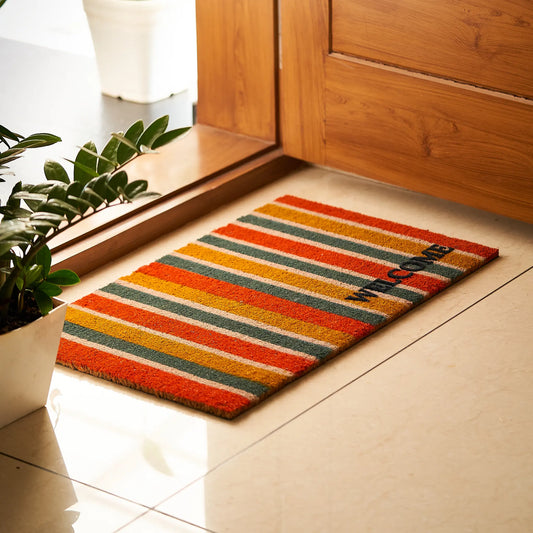
Sunset Stripes
Regular price $30.00 NZDRegular priceUnit price per -
Cute Alpaca
Regular price $30.00 NZDRegular priceUnit price per -
Geometric Star
Regular price $30.00 NZDRegular priceUnit price per -
Floral Fantasy
Regular price $30.00 NZDRegular priceUnit price per -
Skyline Drive
Regular price $30.00 NZDRegular priceUnit price per -
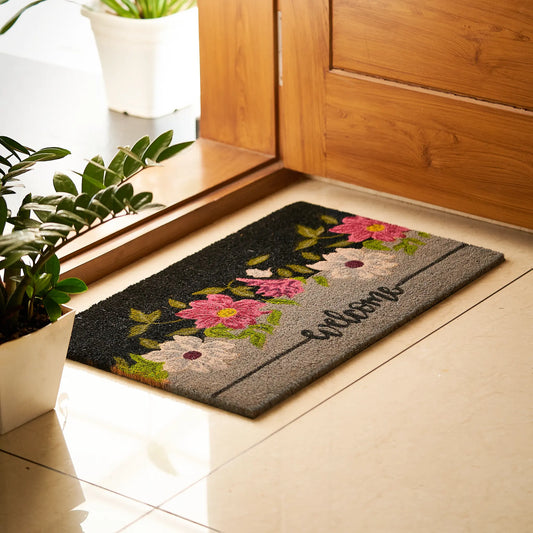
Floral Welcome
Regular price $30.00 NZDRegular priceUnit price per -
Feather Breeze
Regular price $30.00 NZDRegular priceUnit price per -
Tribal Weave Coir Doormat
Regular price $30.00 NZDRegular priceUnit price per -
Sweet Tropics
Regular price $30.00 NZDRegular priceUnit price per -
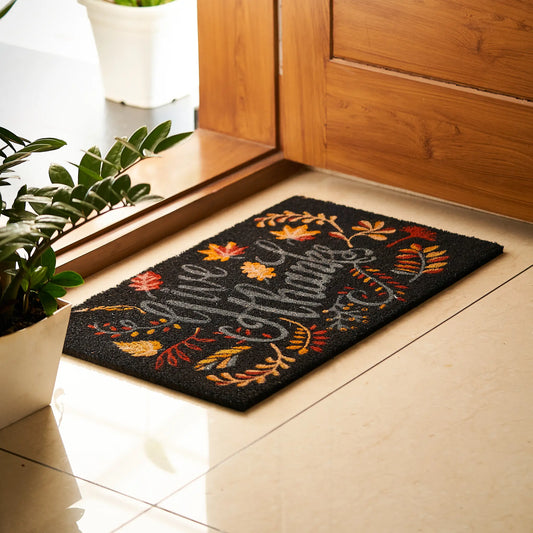
Hello Fall
Regular price $30.00 NZDRegular priceUnit price per -
Grateful Steps
Regular price $30.00 NZDRegular priceUnit price per -
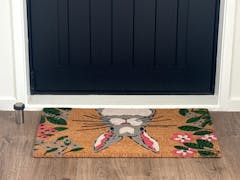
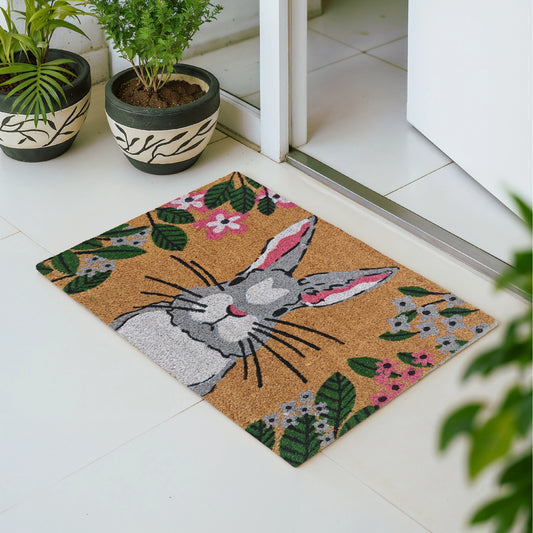
Cute Bunny
Regular price $30.00 NZDRegular priceUnit price per
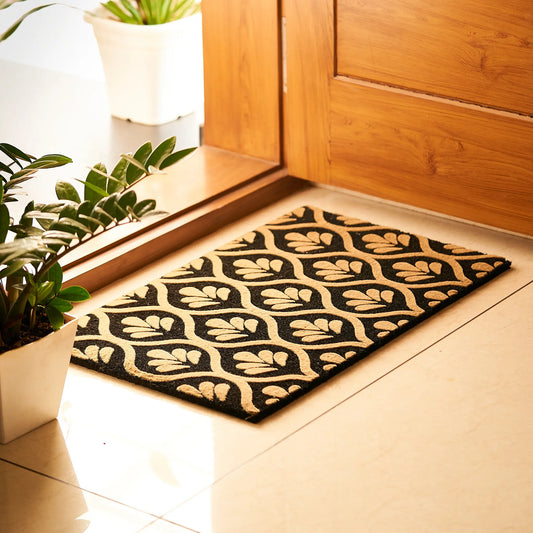

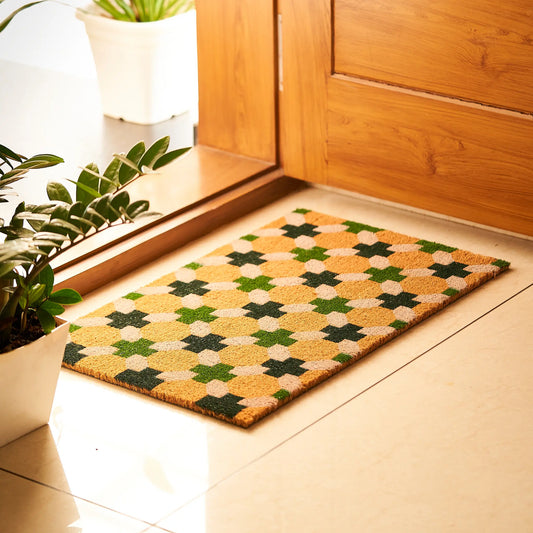

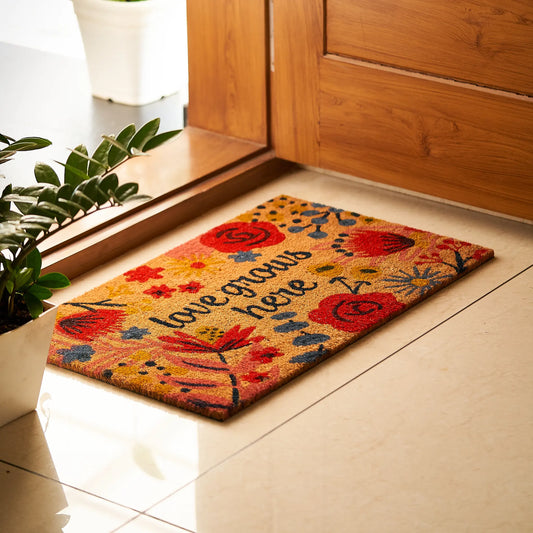
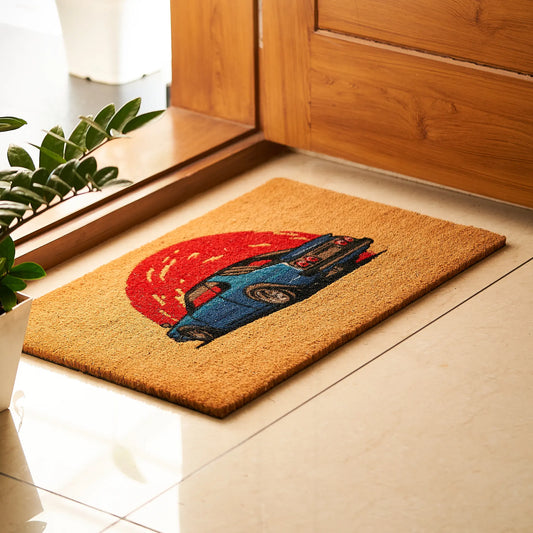


Looking for a mat for your bedroom?
Dormatt's bedroom rugs in NZ are durable, dirt-scraping, made to feel comfortable, affordable, and suit everyday living.
Right, let's talk about something that actually makes more difference to a bedroom than most people realize. Bedroom rugs might not seem like the most exciting purchase when setting up or refreshing a home. But get this right and everything else falls into place. Get it wrong and something always feels off, even if you can't quite put your finger on what.
New Zealand homes have specific characteristics that affect rug choices. Timber floors are common - beautiful but cold underfoot in winter. Carpet is widespread too, but even carpeted bedrooms often benefit from strategically placed rugs. Climate varies across the country. Auckland's humidity differs from Canterbury's dry summers and cold winters. Coastal areas face salt air considerations. All this matters when choosing bedroom rugs that'll actually last and perform.
The thing about bedroom rugs is they're not just decorative. Sure, they look good. But they're also the first thing feet touch each morning. They define spaces within rooms. They absorb sound. They provide warmth. They protect flooring. Multiple functions packed into what seems like simple floor covering.
Why Bedroom Rugs Matter More Than Expected
Walk into bedroom with bare timber floors. Feels cold. Looks sparse. Sounds echo. Not particularly inviting, even with beautiful furniture and nice bedding.
Add proper rug though? Complete transformation. Room feels warmer immediately - not just temperature, though that's real too. Visually warmer. More complete. More intentional. Like someone actually lives there rather than just sleeps there occasionally.
New Zealand's housing stock includes lots of older homes with gorgeous native timber floors—rimu, kauri, matai. These are treasures worth showing off. But they're also cold. Rugs bridge this perfectly. Showcase beautiful timber while adding comfort where it matters most—beside the bed where feet land each morning.
Even carpeted bedrooms benefit from rugs. Defines sleeping area from dressing area. Adds texture variation. Introduces color or pattern that complements decor. Creates visual anchor for furniture arrangement.
Understanding New Zealand Bedroom Conditions
Different regions present different challenges for bedroom furnishings.
Auckland and northern regions: High humidity, especially coastal areas. Mold and mildew are real concerns. Rugs need to be mold-resistant or at least easy to clean and dry. Natural fiber rugs can struggle in very damp conditions unless properly maintained.
Wellington: Wind and damp. Less extreme than Auckland's humidity but consistent moisture in air. Plus those southerlies coming straight from Antarctic make winter bedrooms properly cold. Thick, insulating rugs make genuine difference to comfort.
Canterbury and Otago: Dry summers, cold winters. Temperature extremes. Summer heat means natural breathable fibers work well. Winter cold demands thickness and insulation. Seasonal rug rotation makes sense here—lighter rugs for summer, heavier for winter.
West Coast: Wet. Really wet. Moisture management is crucial for any soft furnishings. Quick-drying materials, mold resistance, and regular airing essential.
Coastal everywhere: Salt air affects textiles over time. Some materials handle this better than others. Regular cleaning helps but choosing resilient materials from the start makes life easier.
These aren't minor considerations. Buy gorgeous wool rug for Auckland's humid north shore and don't maintain it properly? Hello, musty smell and potential mold. Choose thin cotton rug for Queenstown bedroom? Feet will freeze all winter. Match rug to actual conditions, not just aesthetics.
Types of Rugs That Work in Kiwi Bedrooms
Multiple rug types suit bedroom use. Each has advantages and drawbacks.
Coir Based Mats
Coir based floor mats are one of the most popular and highly demanded product in New Zealand. These are not only famous for durability and usability, but also for being eco-friendly.
Wool Rugs
Classic choice. New Zealand knows wool - it's practically national heritage. Local wool rugs support domestic industry while delivering excellent performance.
Advantages: Natural insulation. Soft underfoot. Durable when quality is good. Naturally flame-resistant. Available in endless styles from traditional to contemporary. Many Kiwi-made options.
Considerations: Can be expensive for quality pieces. Requires regular vacuuming. Some people find wool itchy on bare feet. Moth damage possible if not maintained. Heavy to move and clean.
Best for: South Island bedrooms, winter warmth, traditional or country-style homes, supporting local manufacturing.
Synthetic Rugs
Polyester, polypropylene, nylon - modern synthetics have come long way from scratchy carpets of decades past.
Advantages: Affordable. Easy to clean - many are machine washable. Stain resistant. Consistent quality. Wide variety of designs. Lightweight. Mold-resistant.
Considerations: Less natural feel underfoot than wool. Can build static electricity in dry conditions. Not as environmentally friendly. Durability varies by quality. May flatten over time with heavy use.
Best for: Budget-conscious buyers, high-moisture areas, rental properties, children's bedrooms, easy-care situations.
Cotton Rugs
Soft, natural, and versatile. Cotton works well for bedrooms.
Advantages: Soft and comfortable. Machine washable (usually). Hypoallergenic. Breathable. Good for sensitive skin. Available in many styles. Relatively affordable.
Considerations: Less durable than wool. Can shrink if washed incorrectly. Stains more easily. Thinner—less insulation. May slip on smooth floors without proper backing.
Best for: Summer use, northern regions, allergy sufferers, casual coastal bedrooms, rental properties.
Sheepskin and Hides
Very Kiwi option. Sheepskin beside the bed is classic New Zealand bedroom styling.
Advantages: Incredibly soft. Natural temperature regulation. Authentic NZ aesthetic. Durable if cared for properly. Easy to shake out and air. Naturally resistant to dust mites.
Considerations: Expensive for quality pieces. Requires specific cleaning methods. Can shed initially. Not everyone likes the look. Limited size options. Slippery on some floors.
Best for: Beside-bed placement, farmhouse or rural homes, cold climates, supporting NZ farmers and processors.
Jute and Natural Fiber Rugs
Woven natural fibers create textural, casual look popular in coastal and contemporary homes.
Advantages: Sustainable and eco-friendly. Unique texture. Durable. Good for layering. Relatively affordable. Contemporary aesthetic.
Considerations: Rough texture not everyone enjoys underfoot. Can shed fiber initially. Difficult to clean thoroughly. Moisture can cause mold if not dried properly. Limited color options—mostly natural tones.
Best for: Layering under other rugs, casual beach house bedrooms, contemporary homes, eco-conscious buyers.
Size Matters - Getting Bedroom Rug Dimensions Right
Wrong-sized rug ruins the effect. Too small looks tentative and lost. Too large overwhelms space or doesn't fit properly.
Standard Bedroom Rug Sizes
Bedside runners (60cm x 180cm or 80cm x 200cm): Placed along each side of bed. Provides soft landing for feet. Works well in smaller bedrooms or when showcasing floor.
Bed-foot rugs (120cm x 180cm or 150cm x 220cm): Extends from foot of bed outward. Creates landing spot when getting up. Suits bedrooms where sides of bed are against walls or close to furniture.
Room-size rugs (200cm x 290cm, 240cm x 330cm, 280cm x 380cm): Large rugs that anchor entire sleeping area. Bed sits partially on rug with generous extends beyond foot and sides. Creates cohesive look. Suits larger bedrooms with floor space.
Measuring for Perfect Fit
Measure bedroom dimensions. Note furniture placement—bed, nightstands, dressers, wardrobes. Decide on rug style: beside-bed, foot-of-bed, or room-size.
For bedside runners: Each runner should extend from near head of bed to past foot of bed. Width should allow comfortable foot placement when getting up—at least 60cm, preferably 80cm+.
For foot-of-bed rugs: Should extend at least 60cm beyond sides of bed and ideally 90-120cm beyond foot of bed. This ensures coverage where people actually stand when getting dressed or making bed.
For room-size rugs: Bed should sit on rug with 40-60cm of rug visible beyond sides and foot of bed. This creates cohesive look. Alternatively, front legs of nightstands can sit on rug with bed off rug—works in some design schemes.
Smaller than recommended? Looks stingy. Rug appears like afterthought rather than intentional design element. Bigger than recommended? Can work in large rooms but may interfere with door swings, wardrobes, or furniture placement.
Bedroom Mats and Rugs Styling Tips
Having right rug is first step. Styling it properly completes the picture.
Placement Strategies
Symmetrical placement: Traditional approach. Matching runners on each side of bed, or room-size rug centered under bed. Creates formal, balanced look. Suits traditional or classic bedroom styles.
Asymmetrical placement: More contemporary. Single larger rug on one side only, or rug angled for visual interest. Works in modern, eclectic, or casual bedrooms.
Layered approach: Large jute or natural fiber rug as base, smaller sheepskin or textured rug on top. Adds depth and interest. Popular in Instagram-worthy styled bedrooms. Practical too—base rug protects floor, top rug provides softness.
Color and Pattern Considerations
Neutral rugs: Beige, grey, cream, taupe. Safe choices that work with changing decor. Show dirt more than darker colors but create calm, serene feeling perfect for bedrooms.
Bold rugs: Deep blues, rich reds, emerald greens. Make statements. Work brilliantly when bedroom decor is otherwise neutral. Can overwhelm if room already has lots of color.
Patterned rugs: Geometric, floral, abstract, traditional. Add visual interest. Disguise marks better than solid colors. Can date quickly if trendy patterns chosen. Classic patterns have longevity.
New Zealand's popular bedroom styles tend toward:
- Coastal casual (natural fibers, blues and whites, relaxed feel)
- Contemporary minimalist (neutral tones, clean lines, quality over quantity)
- Country farmhouse (wool, sheepskins, warm earth tones)
- Modern eclectic (mix of textures and patterns, personal style)
Choose rug that complements rather than fights existing bedroom style.
Texture Mixing
Single texture in bedroom feels flat. Mix textures for depth:
- Smooth cotton bedding + textured wool rug
- Linen curtains + plush synthetic rug
- Leather bedhead + natural fiber rug
- Velvet cushions + sheepskin beside bed
Variety keeps bedroom visually interesting while maintaining cohesion if colors coordinate.
Caring for Bedroom Rugs in New Zealand Climate
Different rugs need different care. New Zealand's varied climate affects maintenance requirements.
Regular Maintenance
Vacuuming: Weekly minimum for most rugs. More often in high-use bedrooms or if anyone has allergies. Use appropriate vacuum setting—high pile rugs need different approach than flat-weave.
Shaking out: Small rugs benefit from outdoor shaking weekly. Removes dust that vacuuming misses. Also airs out rug, important in humid climates.
Rotating: Turn rugs 180 degrees every few months. Prevents uneven wear patterns from foot traffic and sun exposure. Particularly important for rugs near windows.
Airing: In humid regions, occasional outdoor airing in sunshine helps prevent musty smells and discourage mold. Couple hours on sunny, breezy day does wonders.
Seasonal Care
Spring: Deep clean after winter. Professional cleaning for valuable wool rugs. DIY cleaning for synthetics and cotton. Check for moth damage in wool. Air thoroughly before summer humidity arrives.
Summer: In northern regions, watch for mold in humid periods. Ensure good air circulation. Consider storing thick winter rugs and using lighter alternatives.
Autumn: Clean summer rugs before storing. Bring out heavier rugs for winter. Check condition and treat any issues before winter sets in.
Winter: Vacuum frequently—tracked-in mud and dirt more common in wet months. Address spills immediately as drying takes longer in cold, damp conditions.
Dealing with Common Issues
Musty smells: Usually moisture-related. Air outside on dry day. Sprinkle with baking soda, leave overnight, vacuum thoroughly. If persistent, may need professional cleaning or climate control improvements in bedroom.
Stains: Act fast. Blot (don't rub) with clean cloth. Use appropriate cleaner for rug type and stain. Test cleaning products on hidden area first. Wool often needs professional treatment. Synthetics and cotton more forgiving.
Flattening: High-pile rugs can flatten over time. Regular vacuuming helps. Occasional professional cleaning restores loft. Some synthetic rugs never fully recover from flattening—quality matters.
Shedding: Natural initially with wool, jute, and some synthetics. Vacuum regularly without beater bar. Should decrease over first few months. Excessive ongoing shedding indicates quality issues.
Curling edges: Rug pads help. Steam from iron (held above rug, not touching) can relax fibers. Heavy books on corners overnight. If persistent, may need professional blocking.
Where to Buy Quality Bedroom Rugs in New Zealand
Multiple options exist for purchasing rugs. Each has advantages.
Physical Stores
Allows seeing and touching before buying. Important for texture-conscious buyers. Can compare colors against samples from home. Staff advice available. Immediate availability—no shipping wait.
Major retailers include:
- Freedom Furniture (contemporary styles, various price points)
- Early Settler (traditional through to modern, quality focus - check their floor rugs collection for extensive options)
- Farmers (range of styles and budgets)
- Briscoes/Living & Giving (frequent sales, budget to mid-range)
- Speciality rug stores in major cities (higher-end options, expert knowledge)
Online Shopping
Convenient. Often better prices than physical stores. Wider selection. Can shop at midnight in pyjamas—very Kiwi. Helpful when living outside main centers.
Considerations: Can't touch before buying. Colors may appear different in person. Sizing can be tricky without seeing in space. Returns can be complicated for bulky items.
Many online options ship to NZ:
-
NZ-based online retailers (faster shipping, easier returns)
-
Australian sites (reasonable shipping, similar aesthetic)
-
Overseas retailers (widest selection but shipping costs and delays)
Second-hand and Vintage
Sustainable option. Unique pieces. Often better quality than modern equivalents at similar price. Appeals to environmentally conscious buyers.
Trade Me has extensive rug listings. Vintage stores in cities stock interesting options. Estate sales and garage sales can yield treasures. Requires patience and willingness to clean thoroughly before use.
Doormats in New Zealand and Beyond
While bedroom rugs get the glory, don't overlook other floor coverings that make homes function better. Coir Doormat in New Zealand options, for instance, protect floors from tracked-in dirt and moisture—particularly important given NZ's often muddy, rainy conditions.
Quality Rubber Mats products work brilliantly in mudrooms, laundries, and bathrooms where moisture resistance matters. Rope Mats bring that coastal, relaxed vibe perfect for beach bach entries or casual home aesthetics.
These might seem unrelated to bedroom rugs but they're part of complete home floor covering strategy. Effective doormats mean less dirt tracked through house - including into bedrooms. Good entryway mats capture moisture before it spreads - protects bedroom rugs from wet feet. It all connects.
Home Decor Ideas Incorporating Bedroom Rugs
Rugs aren't isolated elements. They're one of the most common home decor ideas, especially, broader bedroom design. Some ideas for incorporating them effectively:
Creating Zones
Large bedroom can feel cavernous and undefined. Use rugs to create distinct zones:
- Sleeping zone (rug under or beside bed)
- Dressing zone (rug near wardrobe)
- Reading zone (rug under chair and lamp)
- Exercise/yoga zone (dedicated rug for movement)
Different rugs for each zone, or same rug type in different sizes for cohesion. Both approaches work depending on desired effect.
Color Coordination
Rug can be:
- Foundation: Choose rug first, build color scheme around it. Works well with patterned or boldly colored rugs.
- Accent: Select rug that picks up accent color from bedding, curtains, or artwork. Creates cohesion.
- Neutral base: Use neutral rug as backdrop, let other elements provide color. Safest approach for indecisive decorators.
Seasonal Refreshes
Swapping rugs seasonally refreshes bedroom without major expense:
- Light cotton or jute rugs for summer
- Thick wool or plush synthetic for winter
- Moderate-weight options for spring and autumn
Gives bedroom different feel throughout year. Practical too—appropriate warmth for season.
Budget-Friendly Impact
Can't afford entire bedroom makeover? New rug makes surprising difference. More impact than new bedding. More noticeable than new curtains. Grounds the space. Often costs less than multiple smaller purchases that don't quite work together.
Quality rug in right size and color can make old furniture look intentional instead of hand-me-down. Creates cohesive look even when other elements are mismatched.
Sustainable Choices in Bedroom Rugs
Environmental consciousness is growing in New Zealand. Rug choices reflect this.
Natural fibers: Wool, cotton, jute, hemp. Renewable, biodegradable, often produced sustainably. NZ wool particularly good choice—local production, minimal transport, supporting Kiwi farmers.
Recycled materials: Some rugs made from recycled plastic bottles or reclaimed textiles. Reduces waste while creating functional products. Quality has improved significantly—these aren't just eco-credentials, they're genuinely good rugs.
Longevity focus: Buying quality rug that lasts 20 years beats buying cheap rug every 2-3 years. Less waste, less expense over time, better performance. Initial cost higher but value exceeds disposable approach.
Local manufacturing: Supports NZ economy. Reduces transport emissions. Often higher quality than mass-produced imports. Several Kiwi rug makers create beautiful, durable pieces worth seeking out.
Second-hand: Most sustainable option. Gives existing rug new life. Often finds better quality than equivalent new purchase price. Requires more effort but worthwhile for environmentally conscious buyers.
Common Mistakes to Avoid
Wrong size throws off bedroom aesthetic. Too small looks lost. Too large doesn't fit. Measure carefully first.
Ignoring climate causes problems. Thick wool in humid Auckland basement without dehumidifier invites mold. Match rug to actual conditions.
Forgetting rug pads means slipping hazards and premature wear. Pads prevent this while adding cushioning.
Choosing style over function looks good initially but fails practically. Gorgeous white high-pile rug impractical with pets or kids.
Neglecting maintenance leads to premature wear and permanent stains. Regular vacuuming isn't optional.
Impulse buying wrong color creates clashes. Test colors with samples in actual lighting first.
Skimping on quality in high-traffic areas means constant replacement. Better saving for quality than replacing budget rugs repeatedly.
Looking Ahead - Bedroom Rug Trends
Some current directions worth noting:
Texture focus replacing smooth minimalism. Mix of high and low pile, different fiber types, layered rugs creating tactile interest.
Natural everything - natural fibers, undyed wool, visible weaving. Celebrating materials rather than hiding them.
Vintage revival with younger buyers embracing traditional patterns. Persian-style rugs making comeback.
Oversized rugs creating luxury hotel feeling. Room-size rather than accent pieces.
Sustainable credentials emphasized. Eco-friendly production, ethical sourcing, longevity focus increasingly valued.
Making the Final Decision
Choosing bedroom rug shouldn't be stressful. Few guidelines help narrow options:
Start with room assessment. Measure space. Note furniture placement. Identify where feet actually land - those spots need coverage.
Consider climate and conditions. Humid coastal? Skip thick wool unless prepared for maintenance. Cold southern regions? Prioritize warmth and insulation.
Set realistic budget. Quality rug costs more initially but lasts longer. Calculate cost per year rather than upfront expense.
Think about lifestyle. Pets? Kids? Allergies? Busy household or calm retreat? Choose accordingly.
Sample if possible. Many retailers offer samples. Test color and texture in actual bedroom before committing.
Trust instincts. If something feels right, probably is. If there's hesitation, keep looking. Perfect rug exists - just needs finding.
Quality bedroom rugs nz homes can showcase transform sleeping spaces from purely functional to genuinely inviting. Whether preferring thick wool for winter warmth, light cotton for summer comfort, or luxurious sheepskin for year-round indulgence, options exist for every New Zealand bedroom, climate, and budget.
Take time choosing right rug. Consider practical needs alongside aesthetic preferences. Maintain properly once purchased. Result will be bedroom that feels complete, comfortable, and distinctly yours - with that satisfying feeling of soft rug underfoot every morning reminding you the choice was right.